STERILIZATION • VETERINARY MEDICINE

STERILUX - Designed with a Focus on Safety and Quality

A Swiss company offering compact ozone sterilizers with low maintenance and high efficiency. With a presence in over 25 countries, the company is a leader in France and Switzerland in low-temperature sterilization for the veterinary sector. Your reliable partner in the advancement of veterinary care!

Confidence in Every Cycle

A solution designed for busy veterinary practices and for instruments that require careful handling.

01 / RESOURCE

Economical Process

Low cost per cycle and long equipment lifespan.

02 / CONTROL

Sterile Storage

SteriBox supports protected storage and transport after the cycle.

03 / ENVIRONMENT

Less Waste

The process uses ozone generated on-site from air.

04 / INSTRUMENTS

No Chemical Residues

After the cycle, residual ozone is converted back into oxygen.

Three Steps to a Sterile Instrument

From ozone generation to the ready-to-use SteriBox — the process is organized and traceable.

SteriLux стерилизация — стъпка 1

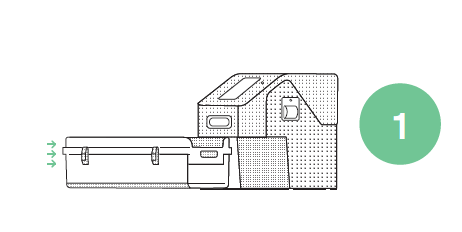
01 / Generation

Instruments are placed in the SteriBox. After adding a few drops of water, the container is closed and placed in the SteriBase. Ozone is generated from the air using 172 nm V-UV radiation.

SteriLux стерилизация — стъпка 2

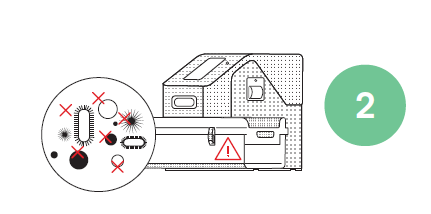
02 / Exposure

High ozone concentration and humidity are maintained. Parameters are monitored throughout the cycle to ensure sterilization conditions.

SteriLux стерилизация — стъпка 3

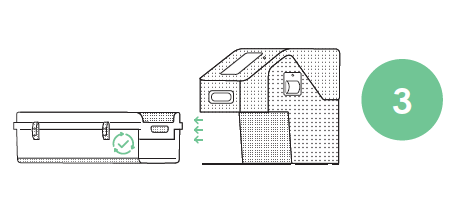
03 / Validation

Residual ozone is actively removed and converted back into oxygen using 254 nm UV radiation. The contents of the SteriBox are ready for use.

Compatibility with Your Practice

Low-temperature ozone sterilization is a solution for a range of heat-sensitive and complex veterinary instruments.

Suitable Materials

Metals: stainless steel, titanium, anodized aluminum, gold plating.
Polymers: PC, PVC, PP, ABS, PEEK, PTFE.
Elastomers: silicone, Viton, fluorosilicone, Santoprene, EPDM.
Others: ceramics and glass.

Suitable for selected flexible and rigid endoscopes, laparoscopic instruments, cameras, light cables, and motorized instruments.
Materials to Avoid

Metals: untreated steel, zinc.
Polymers: polyurethane, nylon.
Elastomers: natural rubber, nitrile, latex.
Others: textiles, powders, and liquids.

Always check the instrument and system manufacturer’s instructions before sterilization.

Let's Discuss Your Clinic's Needs

Contact the Mira Tradeconsult team for information regarding SteriLux and its application in your practice.